Worth Twelve Minutes
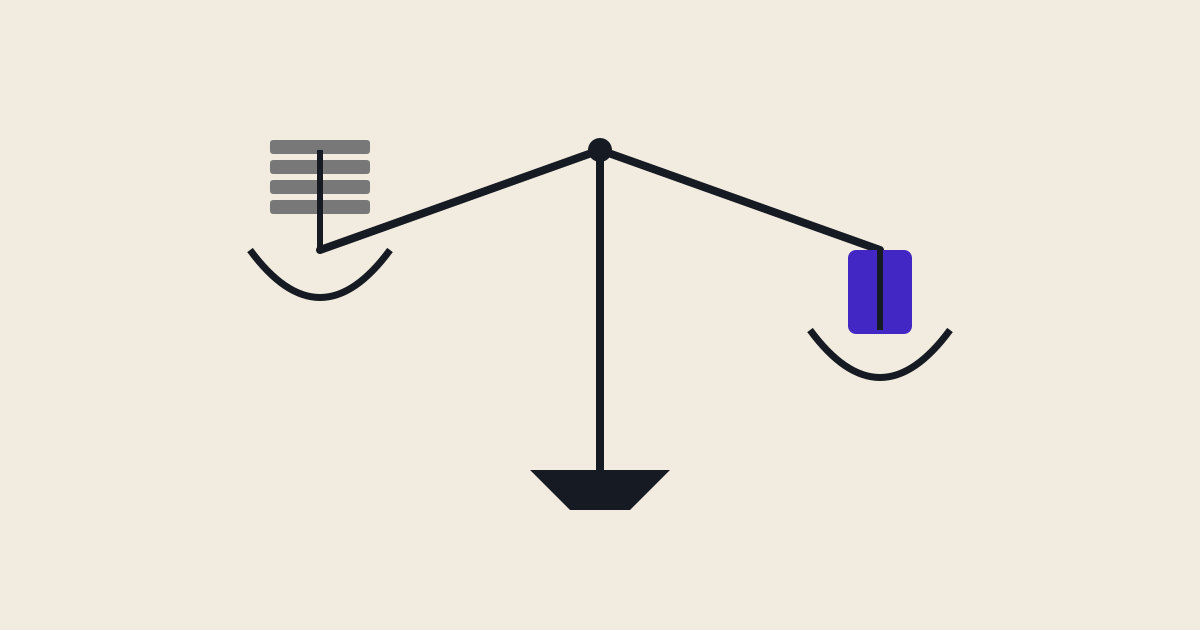
The dashboard isn't lying. It's just measuring the wrong thing. The standard is the differentiator. Volume isn't.
The dashboard shows green. Traffic is up 23% this quarter. Time on page is averaging 4 minutes 17 seconds. Bounce rate has dropped two points. The content team forwards the numbers to leadership. Everyone agrees the content program is working.
Then the sales team reports that almost no one mentions the company's content when asked how they heard about it. Pipeline isn't moving. The articles get read — the dashboard proves that — but nothing happens after the read.
This is the gap between the metrics most B2B teams track and the metric that actually matters. The dashboards measure activity. They don't measure whether the content was worth the reader's time. And those are two very different questions.
The premise
There's exactly one metric that captures what matters: was this worth the reader's time?
Call it the twelve-minute test. The framing is specific, and the framing is the methodology.
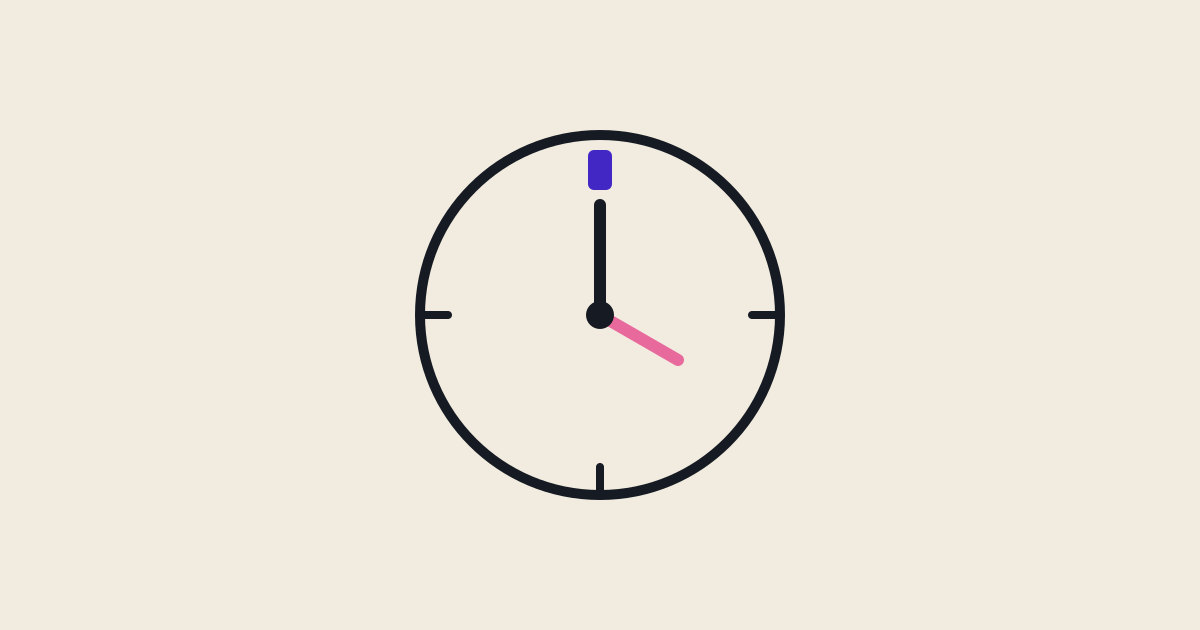
The twelve-minute test asks one question of every piece of content: a B2B reader who spent twelve minutes on this piece — reading it, processing it, considering whether to act on it — would they feel they got that twelve minutes back? The answer is binary. Yes or no. There's no half-pass.
This sounds subjective. It's less subjective than it looks. Most B2B readers — the kind your content is competing for attention from — have a fast, accurate sense of whether a piece was worth their time. They don't articulate it. They act on it. They share or they don't. They click through to other content from the same author or they don't. They remember the brand a week later or they don't.
The twelve-minute test is the editorial standard a sophisticated reader applies unconsciously. The editor's job is to apply it consciously, before the piece ships.
Five signals a piece passes
The judgment is fast, but the criteria are nameable.
One: at least one specific, actionable insight. The reader can say in a single sentence what they learned. Not "interesting perspective" — a specific claim they could act on. If they can't summarize the takeaway in one sentence, the piece failed.
Most B2B content fails this one. The piece is about a topic without arguing anything specific within the topic. Reading it feels like reading a Wikipedia entry. Informative, unactionable. Content that passes signal one has a specific claim someone could disagree with.
Two: evidence the reader can verify. Specifics — numbers, named examples, dated events, cited sources — not vague references to "studies show" or "industry experts say." When the evidence is specific, the reader can calibrate belief against the strength of the evidence. "In a 2025 Bain study of 200 B2B SaaS companies, 73% reported X" is verifiable. "Many companies have found that X" isn't.
Most B2B content fails this one because specific evidence is harder to gather than vague references. Content that passes signal two has done the work.
Three: a position the writer is willing to defend. The piece argues for something, not around it. It doesn't hedge. It doesn't balance every claim with a counterclaim. It doesn't end with "of course, every business is different."
Hedging is the most common failure in B2B content. The writer is afraid to commit because they're afraid of being wrong, or alienating part of the audience. The result: content that takes 1,500 words to say nothing. The twelve-minute reader spots this in two paragraphs. Content that passes signal three has an editorial spine.
Four: an idea or framing the reader hadn't already seen. The piece doesn't repeat the consensus position. It advances a non-consensus argument, applies an existing argument to a new context, or surfaces a question the consensus discussion has avoided.
This is where B2B content fails worst. The default mode is to repeat what's already been said, in a slightly different voice. The reader recognizes the familiar shape of the argument within the first paragraph and disengages — they've already processed this idea before. The piece adds nothing to their thinking. Content that passes signal four contributes — even modestly — to the reader's evolving model of the topic.
Five: prose that doesn't waste the reader's time. Filler is cut. Throat-clearing introductions are removed. Conclusions don't repeat the introduction. The piece is as long as the argument requires. No longer.
This is the signal that most directly measures respect for the reader. A 2,000-word piece that could have been 1,200 words is, by definition, wasting 800 words of reader time. The reader notices. Over multiple pieces, the cumulative effect is a brand signal of carelessness. Content that passes signal five has been edited — meaning, read with attention by someone whose job is to cut what isn't necessary. Not "reviewed by the writer one more time before publishing."
Then the sales team reports that almost no one mentions the company's content when asked how they heard about it
How to actually apply it
The twelve-minute test isn't a checklist. It's one question, asked at the end of the editorial process, by someone other than the writer.
For solo founders without an editor, this is harder, because the writer's affection for their own work makes the judgment unreliable. The honest workaround: apply the test 48 hours after writing, with the explicit assumption that the piece will fail and need rewriting. Most pieces, on second reading, fail at least one of the five signals. The pieces that pass all five usually need to be rewritten anyway — once you've identified that a piece passes, you usually see how to make it pass with less friction.
The test is also easier to apply to other people's content than to your own. Founders who want to develop the standard should read 10 pieces of B2B content a week from publications they respect, applying the test to each. The judgments get faster with practice. After a few months, the test runs unconsciously, the way an experienced editor's judgment runs unconsciously.
What happens when you apply it
Consistently applied, the test has predictable effects.
Volume goes down. Not all content can pass — the proportion of drafts that get killed or substantially rewritten rises to roughly one in four, the same correction rate serious editorial publications maintain.
Quality goes up. The pieces that ship are markedly better than pieces shipped without the test. The brand benefits from cumulative reader experience: every piece I've read from this publication was worth it.
Reader retention compounds. A reader who reads three pieces from a publication that all passed the test develops an expectation that this publication doesn't waste their time. They subscribe. They share. They cite the brand in conversations. The downstream business effects of that are large, and they don't show up in week-over-week metrics.
Founder discipline matures. The test forces the founder to develop the editorial judgment that distinguishes good content from competent content. Once developed, the judgment compounds across every other content decision.
The harder truth
Most B2B content can't pass the twelve-minute test. Most founders can't apply the test reliably to their own work. Most companies that claim to publish for their target audience are actually publishing for an internal audience — themselves — and the external audience is barely engaged.
Producing content that passes the twelve-minute test, at the volume required to compound, is hard. It requires editorial discipline most companies don't have. It requires time most founders don't have. It requires standards most marketing operations don't enforce.
The companies that hold to the twelve-minute standard on every piece build readerships that pay off for years. The ones that don't keep wondering why their content gets traffic but doesn't move anything.
The dashboard isn't lying. It's just measuring the wrong thing. The standard is the differentiator. Volume isn't.
Visibilio Editorial publishes weekly on the standards that distinguish content worth reading from content that fills feeds. Crafted by Visibilio.ai — every piece reviewed by a Visibilio lead before publication.