Less Human AI, Please
B2B buyers detect voice mismatch in seconds — and react with active dislike, not passive skepticism. Disclosure outperforms concealment on every trust metric.
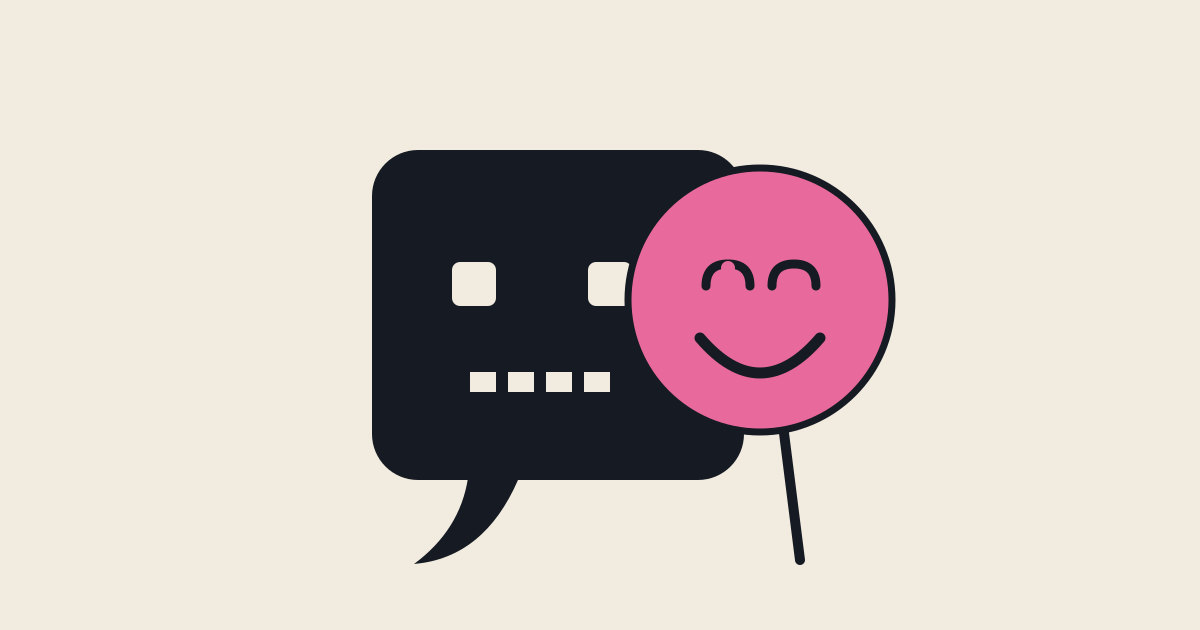
On April 21, 2026, a Hacker News thread climbed to 158 points and 168 comments under a title that sounded almost like a plea: less human AI agents, please. The thread, on its surface, was about customer-service bots — the kind that say "I totally understand how frustrating this must feel" before failing to resolve your problem.
Read the comments, though, and the discussion was about something else entirely. It was about a pattern B2B buyers have learned to detect in seconds and react to with active dislike, not passive skepticism. The pattern is voice mismatch. Content that claims to be one thing while obviously being another.
A founder-led LinkedIn post that obviously wasn't written by the founder. A "personal" newsletter from a CEO that reads like it came out of a marketing template. A blog post under a real person's byline that triangulates between three AI-generated paragraphs you've already seen on other sites. The reading audience in 2026 spots these in two or three sentences. The reaction isn't "this seems automated." The reaction is "this person is hiding something."
That distinction is bigger than any productivity gain AI tools deliver. And it's measurable.
The numbers
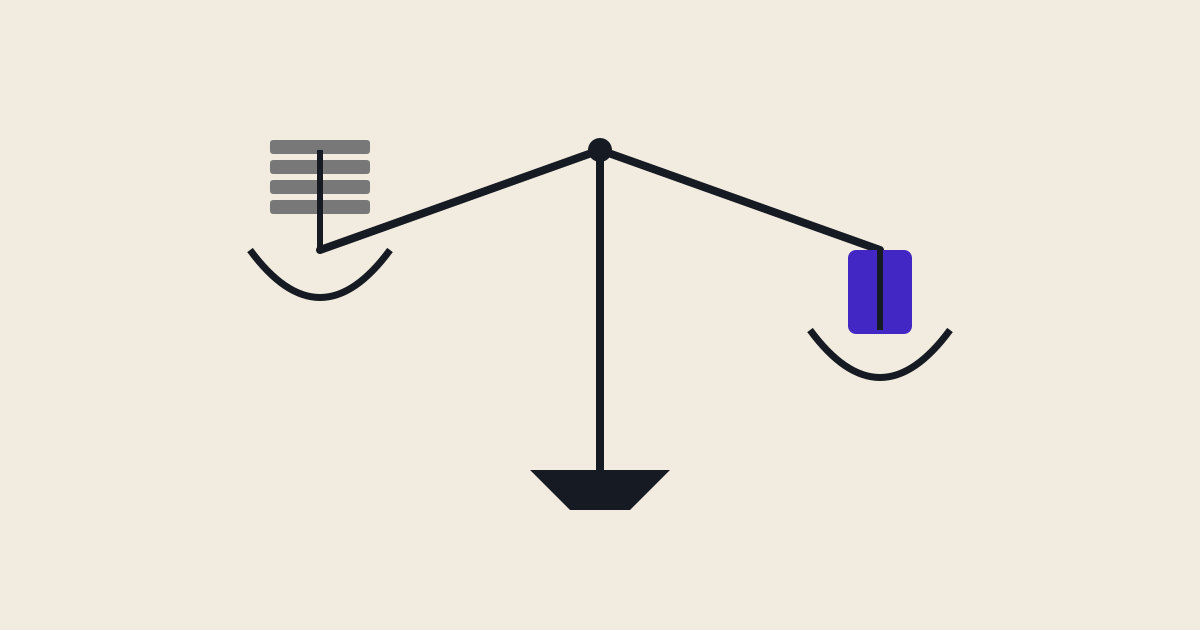
Semrush's 2026 B2B SaaS content study put a price on the mismatch. Posts shipped under a fake founder voice — written by AI, attributed to a named human — lost 73% of their B2B SaaS ranking share year-over-year. Posts that openly disclosed AI assistance under a real founder voice gained 31% in the same period.
A 104-point swing isn't a margin. It's a redistribution. It's the difference between showing up in buyer research and disappearing from it.
Google's helpful-content system, refined heavily through 2025 and into 2026, is reading authorship signals more aggressively too. The system that used to punish thin content has gotten better at spotting attribution inconsistencies — content that claims to be expert-written but doesn't carry the linguistic fingerprints of the named expert. Sites that systematically misattribute AI content are seeing ranking degradation that compounds month over month.
Most surprising, though, is what the Hacker News thread surfaced: buyers prefer disclosed AI to undisclosed AI by a large margin, even when the disclosed AI is functionally identical in output. Same content, same quality, same usefulness — but with a small note saying "AI-assisted, edited by [name]" — and the disclosed version outperforms the undisclosed one on every trust metric researchers measure.
This is only counterintuitive if you assume buyers want to be deceived efficiently. They don't. They want to make accurate judgments about what they're reading. Disclosure makes accurate judgment possible. Concealment makes it impossible. And to a sophisticated B2B reader, accurate-judgment-impossible reads as untrustworthy.
What buyers actually detect
It's not "AI" in the abstract. It's specific signals that AI-generated content carries even when it's otherwise competent.
Voice consistency across formats. A founder who sounds one way in a podcast interview and completely different in their "personal" LinkedIn posts is, in effect, telling readers the posts aren't really theirs. Most readers won't articulate the inconsistency. They'll just register it and discount everything that follows.
Specificity gaps. AI-generated content tends to be structurally correct but light on the operational details only someone who's actually done the work could include. A post about "how we onboarded our first 50 enterprise customers" with no actual names, no real timelines, no surprising moments, no internal disagreements — reads as fabricated. Add three of those details and the same post reads as real, even if AI helped draft it.
Tonal hedging. AI tools default to balanced, neutral, qualified prose. They say "this approach can work, depending on the context, and may not be suitable for every team." Humans with actual opinions say "this works for teams under 20 people. Above that it breaks." The hedging is the tell.
The "everyone post." AI-generated LinkedIn content converges. Same hook patterns. Same story arcs. Same closing prompts. Anyone scrolling a B2B feed in 2026 can recognize the genre without consciously analyzing it. The post that reads like every other post is the post that gets scrolled past — regardless of how good its actual substance is.
On April 21, 2026, a Hacker News thread climbed to 158 points and 168 comments under a title that sounded almost like a plea: less human AI agents, please
What disclosure actually looks like
Disclosure isn't a paragraph of disclaimers at the bottom of every post. It isn't disclaiming the human element. It's accurate attribution of what was done.
The cleanest version: a small note in the footer or byline that names both the human responsibility and the AI contribution. "Written by [name], assisted by AI research and drafting tools." Or: "Edited by [name]; produced by our content platform." Or, for an entirely AI-produced piece reviewed by a human editor: "Crafted by [platform], edited by [editor name]."
The exact wording matters less than the principle. The principle: the reader should be able to know what they're reading. Not through forensic investigation. Through ordinary skimming.
FORKOFF's 2026 first-party data, drawn from 41 client engagements, suggests this practice scales: posts with three-tier verification disclosure ranked 2.1× higher than undisclosed AI peers and produced 2.4× more inbound founder DMs at the same publishing volume. Disclosure didn't depress engagement. It raised it.
The structural mistake
Here's the trap for a founder running content without a marketing team. AI tools cut the time cost of publishing. That's real. But the temptation to hide the AI involvement — because admitting it feels embarrassing or competitively risky — is what turns the productivity gain into a positioning loss.
The companies winning content visibility in 2026 aren't the ones pretending AI isn't involved. They're the ones who've built a transparent editorial operation around it. AI handles the heavy production. A human editor maintains the standard. The disclosure is matter-of-fact, not apologetic. That structure has three properties pure-AI and pure-human approaches both miss:
It scales — AI carries the production volume human-only operations can't match.
It maintains standard — the human editor catches the failures AI can't self-diagnose.
It earns trust — the disclosure lets buyers make accurate judgments about what they're reading.
The companies still trying to hide AI involvement in 2026 aren't making a marketing mistake. They're making a positioning mistake. They're telling sophisticated readers they don't respect them enough to be straightforward. The readers notice. The signal compounds across every other interaction with the brand. The trust deficit grows quietly until pipeline starts to thin.
What to do this week
The shift is smaller than it sounds.
Audit your published content. Find the posts that carry attribution to a named human but were predominantly AI-produced. Decide which to disclose and which to rewrite — both are fine, both are honest, only the third option (leave them as they are) is the problem.
Adjust your byline practice going forward. If AI was involved in production, say so. Not as a confession — as a fact. "Written by [name] with AI-assisted research" is a clean byline. "Crafted by [platform], edited by [editor]" is a clean byline. Pick the model that matches what actually happened.
Strengthen the human signal in the pieces that carry your byline. If a post is genuinely yours, make sure it carries the specific operational details, the real opinions, and the tonal consistency that distinguish your writing from generic AI output. The mark of authentic founder writing is specificity, not vulnerability.
And stop hiding. B2B buyers in 2026 prefer transparency. The companies that act on that preference compound advantage. The others will keep wondering why their content underperforms — and they'll keep blaming the algorithm, when the algorithm is doing exactly what their readers are doing: noticing.
The Hacker News thread that surfaced all of this didn't ask for AI to go away. It asked for AI to stop pretending. That's a meaningful difference. Companies that hear it will adapt. The rest will be quieter every quarter.
Visibilio Editorial publishes weekly on B2B content operations, editorial integrity, and the trust signals that separate signal from noise. Crafted by Visibilio.ai — every piece reviewed by a Visibilio lead before publication.